






Natural Pet Supplements: How to Choose Wisely
A joint chew that helped a neighbor's senior dog may not be the right choice for your young, healthy puppy. Natural pet supplements can be a useful addition to a pet wellness routine, but the best results start with a specific goal, a quality formula, and realistic expectations. Pets are individuals, and a product that fits one animal's age, diet, medications, and health history may not fit another.
For many households, supplements are part of everyday preventive care alongside complete nutrition, exercise, grooming, dental care, and regular veterinary visits. They are not a substitute for diagnosis or treatment. If your pet has new symptoms, takes medication, is pregnant or nursing, or has a diagnosed condition, speak with your veterinarian before adding a supplement.
Start With Your Pet's Everyday Need
The natural pet supplement category is broad. Shopping by a clear wellness goal makes it easier to compare products and avoid buying ingredients your pet does not need. Begin with what you can observe: mobility changes, occasional digestive upset, dry skin, nervous behavior during travel, or the needs that come with a particular life stage.
A young adult pet eating a complete and balanced diet may need little beyond routine care. A senior pet may benefit from a veterinarian-guided plan focused on joint comfort, cognitive support, or digestive regularity. Active dogs, large breeds, indoor cats, and pets with food sensitivities each bring different considerations.
It also helps to separate a short-term concern from a daily wellness goal. Occasional loose stool after a boarding stay, for example, calls for a different conversation than recurring digestive issues. Repeated vomiting, diarrhea, limping, excessive scratching, appetite changes, or behavior changes deserve veterinary attention rather than a trial-and-error supplement routine.
Common Types of Natural Pet Supplements
Natural does not mean every ingredient is appropriate for every pet. It simply describes products that may use nutrients, botanicals, oils, probiotics, or other naturally derived ingredients. Read the intended use, species guidance, serving size, and full ingredient panel before choosing.
Joint and mobility formulas
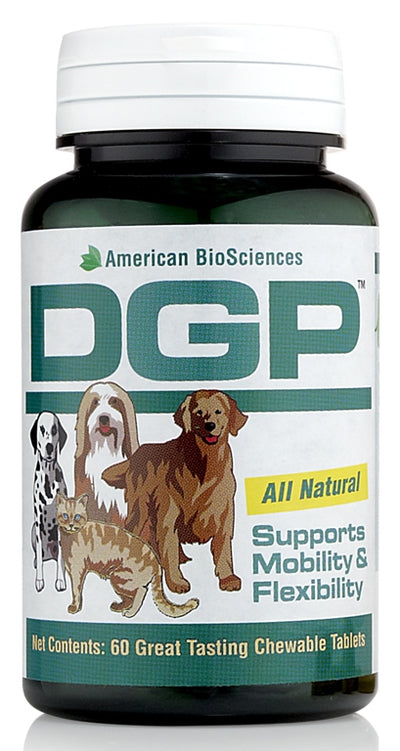
Joint products often feature glucosamine, chondroitin, MSM, green-lipped mussel, collagen, hyaluronic acid, or omega-3 fatty acids. These formulas are popular for aging dogs, large breeds, and pets with demanding activity levels. Formulas vary widely: some focus on a few familiar ingredients, while others combine several compounds in flavored soft chews or powders.
The trade-off is simplicity versus breadth. A single-ingredient product can make it easier to see how your pet responds. A multi-ingredient formula may be more convenient when your veterinarian recommends several types of support. Check the actual amount of each active ingredient, not just the front-label highlights.
Digestive support
Probiotics, prebiotics, digestive enzymes, fiber blends, and pumpkin-based products are common choices for digestive wellness. Probiotic products may list strains and the number of live organisms, often shown as CFUs. That detail can help shoppers compare formulas, although more is not automatically better for every pet.
Choose products made for your pet's species. Dogs and cats have different nutritional needs, and human digestive products may contain unsuitable flavorings, sweeteners, or ingredient levels. Store probiotics as directed because heat and moisture can affect product quality.
Skin, coat, and seasonal comfort
Fish oil, krill oil, algae-based omega-3s, vitamin E, and certain plant oils are often used in skin and coat formulas. These products may suit pets whose coat-care needs increase with dry weather, frequent bathing, or age. Quality matters with oils: look for clear serving directions, appropriate packaging, and an expiration date.
Botanical blends for skin or seasonal comfort require extra care. Herbs can interact with medications, and the same plant may be offered in very different strengths. A veterinarian can help determine whether an herbal product makes sense for your pet instead of assuming that a natural label guarantees safety.
Calming and behavior support
Calming supplements may contain ingredients such as L-theanine, colostrum-derived compounds, probiotics, chamomile, or hemp-derived ingredients. They are often considered for travel, thunderstorms, visitors, grooming, or changes in routine.
These products work best as one part of a larger plan. A quiet space, gradual training, predictable routines, and professional behavior support may be more useful than a supplement alone. If anxiety is severe, sudden, or paired with aggression or destructive behavior, contact your veterinarian promptly.
How to Read a Pet Supplement Label
A good label gives you enough information to make a practical comparison. Look for the animal the product is made for, the suggested serving based on weight, active ingredients and amounts per serving, inactive ingredients, manufacturer information, lot number, and expiration date.
Be especially cautious with products that make dramatic promises. No supplement can replace veterinary care, a balanced diet, or medication prescribed for a diagnosed condition. Phrases that imply a cure, instant transformation, or guaranteed outcome should prompt closer scrutiny.
Flavorings matter, too. Many pets prefer chews, but flavored products can add ingredients that are unnecessary for sensitive animals. For cats, palatability can determine whether a powder or liquid is realistic. For dogs with food allergies or restricted diets, an unflavored capsule, powder, or single-ingredient option may be easier to manage.
Products formulated specifically for pets are generally the most straightforward choice. Never give a human supplement without veterinary guidance. Xylitol, high levels of certain vitamins and minerals, caffeine, chocolate flavoring, essential oils, and other common ingredients can be dangerous for animals.
Choose Quality Over a Long Ingredient List
A lengthy ingredient panel can sound impressive, but it does not automatically make a product better. The most useful formula is one that provides appropriate ingredients in transparent amounts and fits your pet's actual needs.
When comparing natural pet supplements, consider the manufacturer's reputation, labeling clarity, product freshness, and whether the company provides batch or quality-control information. Established pet wellness brands may offer species-specific formulas, convenient formats, and ingredient details that make side-by-side shopping easier.
Price deserves context as well. Compare the cost per daily serving rather than the size of the container alone. A less expensive chew may require several pieces for a large dog, while a concentrated powder may last longer. Savings are worthwhile only when the product is appropriate, within date, and likely to be used consistently.
Introduce One Change at a Time
Starting several new products at once can make it hard to know what is helping or causing a problem. Unless your veterinarian advises otherwise, introduce one supplement at a time and follow the label directions. Some products may be started gradually, especially if your pet has a sensitive stomach.
Keep a simple note of the product, amount, start date, and any changes you observe. Track practical details such as appetite, stool quality, energy, mobility, scratching, and willingness to take the product. This record can be useful at your next veterinary visit.
Stop the product and contact your veterinarian if you notice vomiting, diarrhea, itching, swelling, unusual lethargy, changes in breathing, or other concerning reactions. If your pet gets into a large amount of a supplement, call your veterinarian or a pet poison resource right away.
Make Supplements Part of a Practical Routine
Consistency usually matters more than chasing the newest ingredient. Pick a format your pet will accept and a schedule you can maintain, whether that is a chew with breakfast, a measured oil added to food, or a capsule hidden in a veterinarian-approved treat. Follow storage directions and replace products that are expired, damaged, or have an unusual odor or appearance.
Better Health International makes it easier to compare pet wellness products alongside the vitamins, probiotics, and natural-health essentials already used throughout your household. Shop with a specific goal in mind, review the label carefully, and prioritize products from brands you recognize.
The right supplement should fit quietly into your pet's care routine: purposeful, easy to give, and chosen with the same care you bring to every other part of their health.


Leave a comment